What Special Districts Can Learn From Alabama's Award-Winning Environmental Website
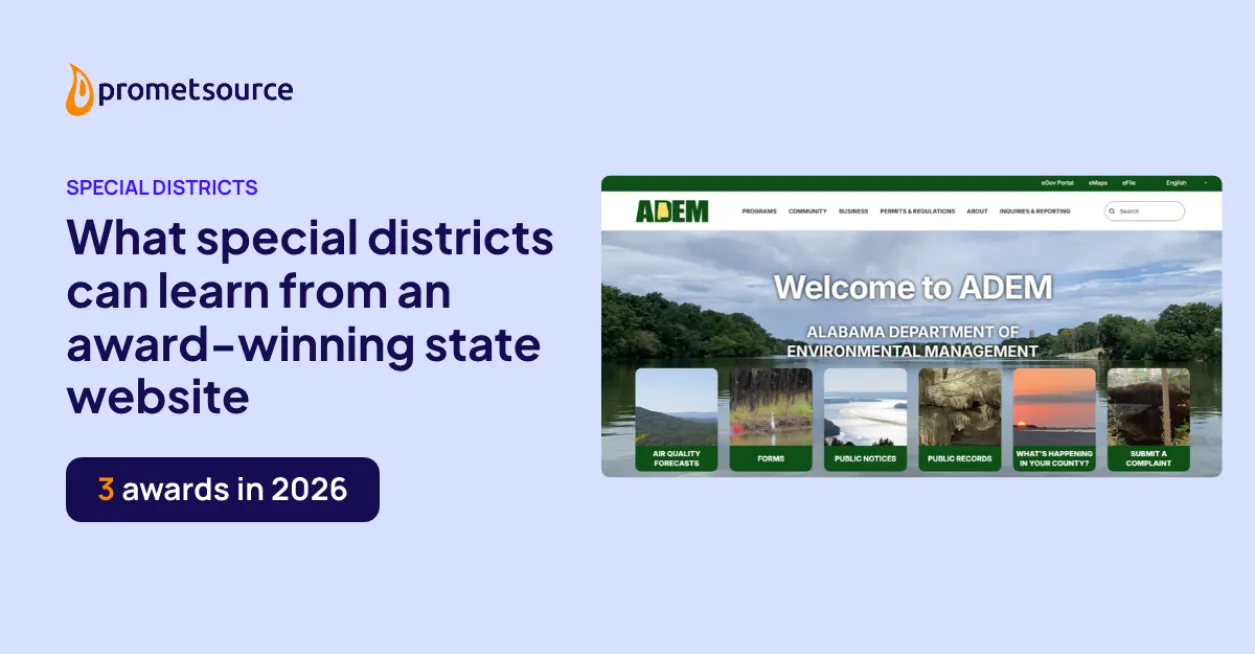
Table of Contents
A water district's website gets very different visitors on the same morning. A resident wants to know whether a boil-water notice covers their street, a contractor needs the right connection permit form, and a ratepayer is looking for the date of next month's rate hearing. Many districts are also planning website updates ahead of a federal accessibility deadline in April 2028, which makes this a good time to look closely at what a well-organized public agency website does.
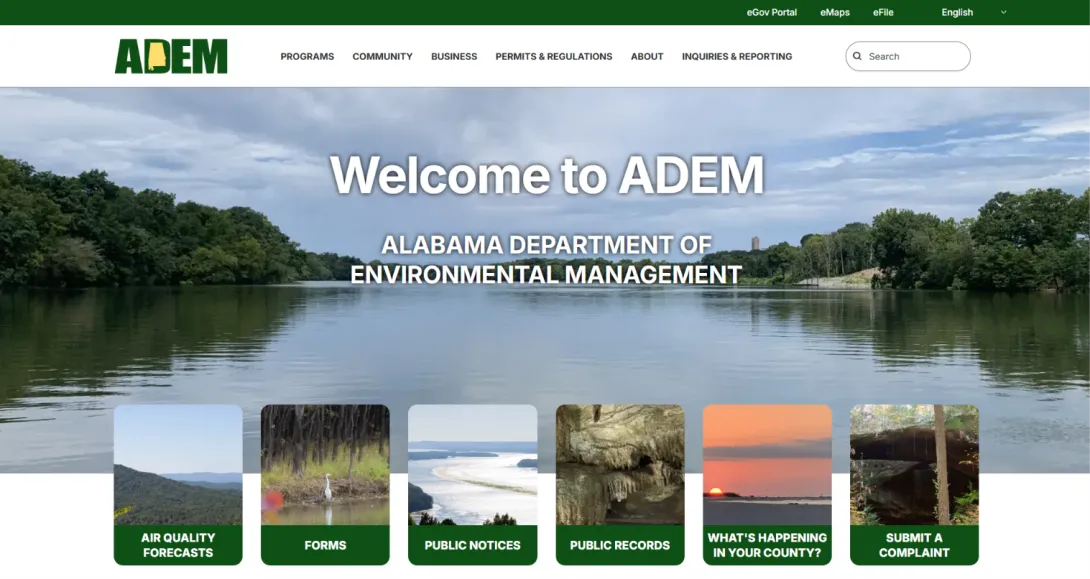
That question led me to the Alabama Department of Environmental Management (ADEM) website. Promet Source designed and developed the site on Drupal, and in 2026 it received three industry awards. I wasn't part of the project team, so I approached it the way a district communications manager might: I read the three award entries, then went through the live site to see how the strengths they describe show up for a visitor. ADEM is a state agency, and it oversees the same drinking water, wastewater, stormwater, and solid waste programs that many special districts run locally, so much of what I found carries over.
What can special districts learn from the ADEM website?
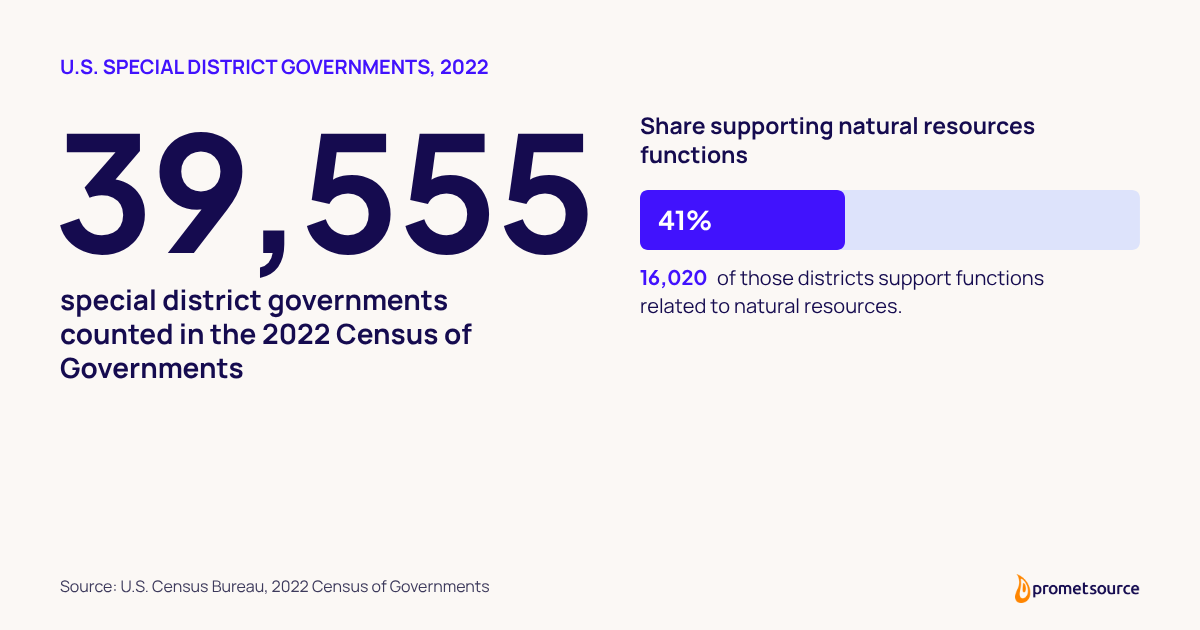
The ADEM site groups content by program and by audience, posts notices, meetings, and hearings by county, and links its online filing and mapping tools from its header. Those patterns apply to the 39,555 special district governments the Census Bureau counted in 2022, whose websites must meet WCAG 2.1 AA by April 26, 2028 under the DOJ's Title II rule.
Why look at a state environmental agency's website?
ADEM's programs cover air quality monitoring and permitting, coastal protection, drinking water, waste and remediation, stormwater, and emergency response. Special districts handle much of that same work at the local level, and the same Census count found that 41% of them, or 16,020, support functions related to natural resources. The audiences overlap as well, from residents checking on their neighborhood to contractors and engineers filing paperwork.
|
Award |
Program |
Category |
|---|---|---|
| Web Excellence Award | Web Excellence Awards, Season 18 | Government Website |
| WebAward | 2026 WebAwards, Web Marketing Association | Government Standard of Excellence |
| Davey Award | 2026 Davey Awards, Academy of Interactive and Visual Arts | General-Government |
When I read the three award entries side by side, the same three strengths came up in each: content organized around what visitors need to do, local activity that is easy to find, and paperwork turned into online services. The sections below look at how each one appears on the live site and what it could look like for a district.
How should a district website organize its content?
ADEM's main menu starts with four program areas: Air, Coastal, Waste/Remediation, and Water. Alongside them are sections for Community, Business, and Permits & Regulations, so a visitor can start from either the topic or their own role. The award entries describe the goal as navigation that "mirrors how users actually think about their needs," and give the example of a resident looking for beach water quality data and a contractor seeking asbestos certification, each finding a path without knowing which division owns the page.
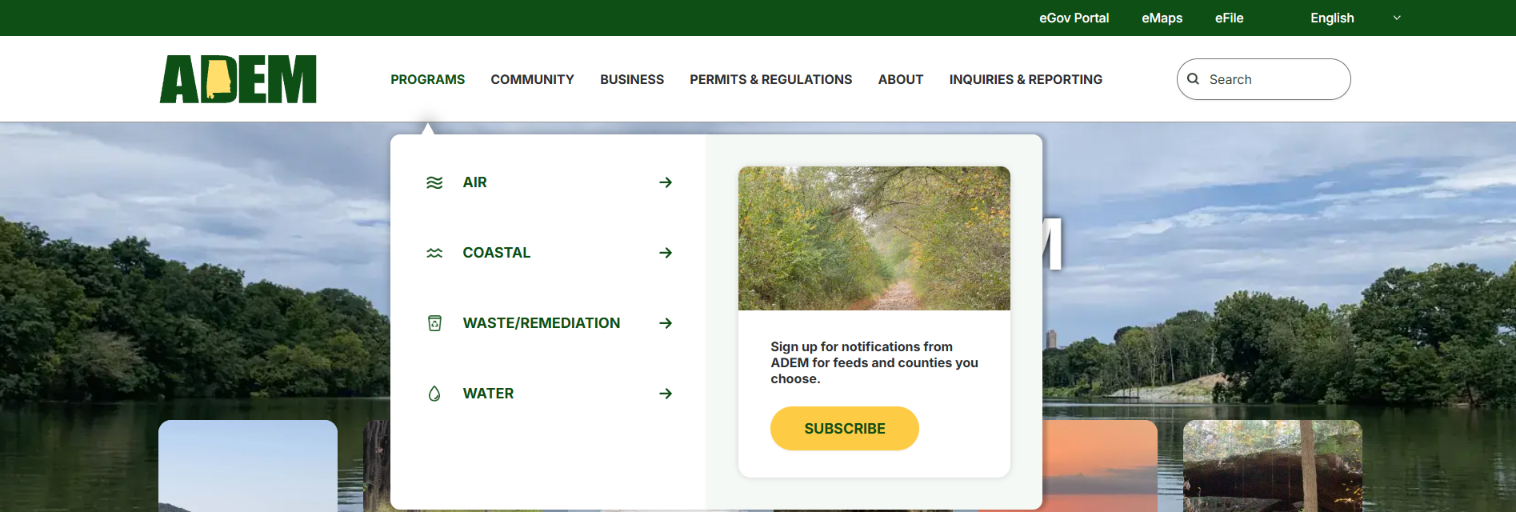
My takeaway for districts is that a short set of service areas, such as water, wastewater, and stormwater, paired with paths for residents, developers and contractors, and partner agencies, gives each visitor a clear place to start. Staff can keep organizing their work by department behind the scenes.
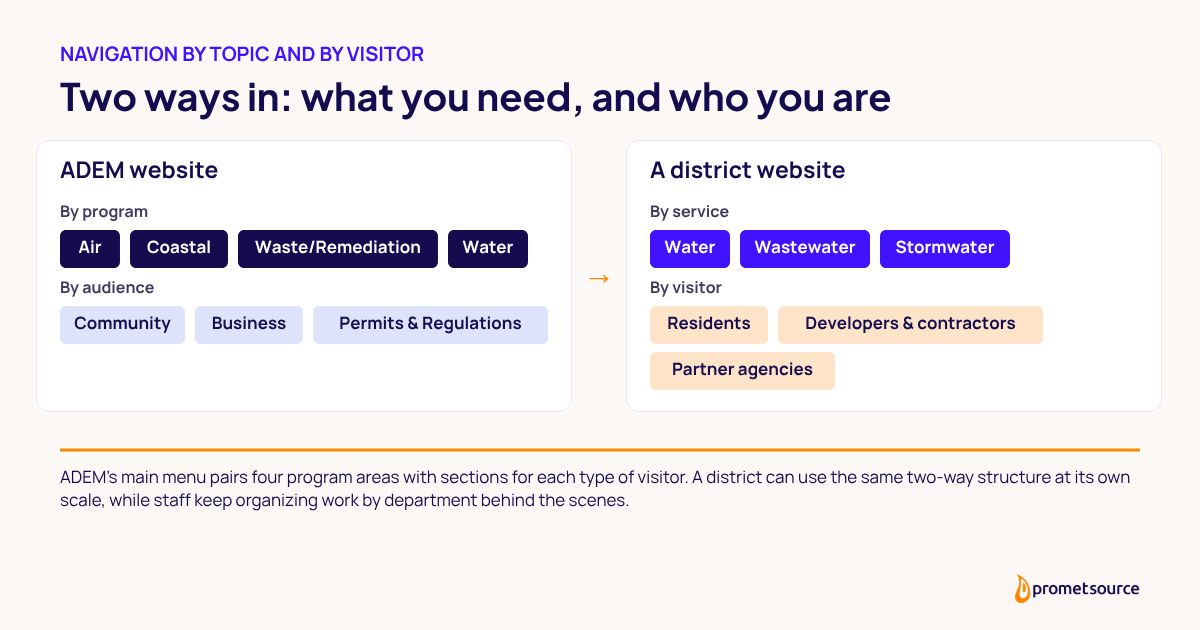
We built the navigation around two questions every visitor brings: what do I need, and who am I? Pairing the four program areas with Community, Business, and Permits & Regulations gives a resident and a permit holder their own way in, without either one needing to know how the agency is organized internally.
- Iryna Lynnyk, Sr. UI/UX Designer, Promet Source
How can residents see what is happening near them?
The feature that stood out most to me was What's Happening in Your County? Each county has its own page, and the Mobile County page, for example, lists public notices for the county, including permit and administrative order notices, along with upcoming meetings, upcoming hearings, and recent news releases. A resident can check activity near home from a single page, and the site also offers email notifications so people can hear about new activity without coming back to check.
For a district, the same idea works at the scale of a service area. Boil-water advisories, main replacement schedules, hydrant flushing, and rate hearings matter most to the people in a specific zone or neighborhood, and a page or alert for each area puts that information in front of the people it affects.
Which tasks should a district move online first?
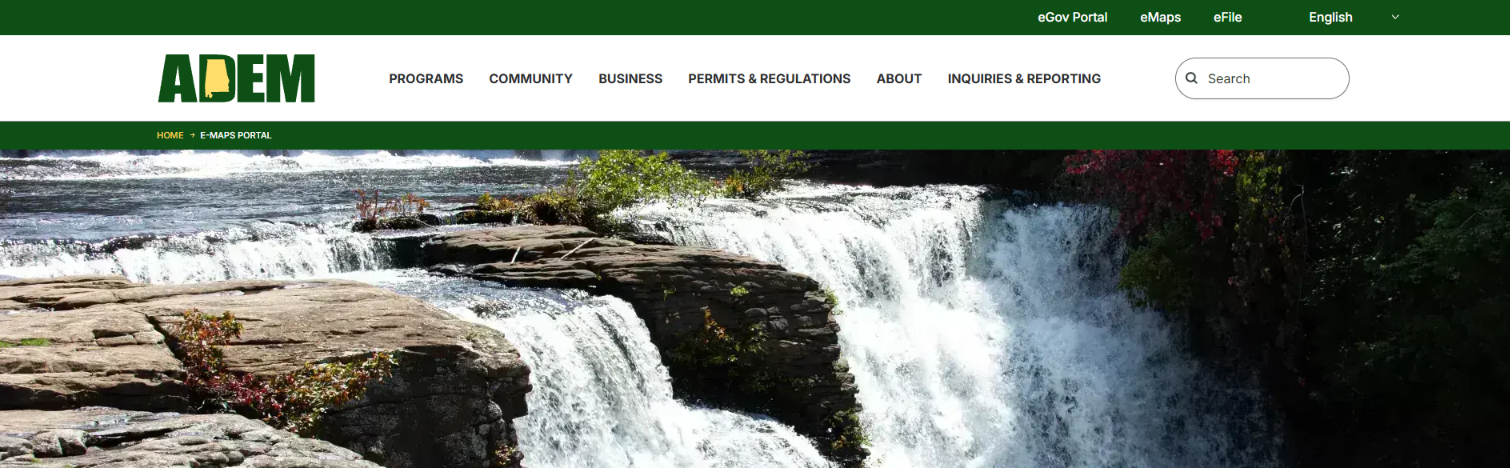
The ADEM site header links to three online services: the eGov Portal for agency services, eFile for submitting regulatory documents electronically, and eMaps, an interactive GIS portal for exploring environmental data by location. Residents can also submit complaints online, and the site publishes a list of complaints received, so anyone can see what has already been reported. According to the award entries, these tools were built to reduce administrative work for both ADEM staff and the businesses it regulates.
For a district, I would start with the tasks residents and contractors call about most often. Common candidates are service requests and outage reports, permit or connection applications, and board meeting agendas and minutes. A public list of reported issues, similar to ADEM's complaints list, also lets residents see that a problem is already known before they pick up the phone.
ADEM’s online services run on separate systems, so our job was to make them easy to reach from anywhere on the site. Keeping the eGov Portal, eFile, and eMaps in the header means a permit holder or researcher is one click from the tool they need, whichever page they land on.
- John Lutz, Senior Developer, Promet Source
What does the DOJ Title II rule require of special districts?
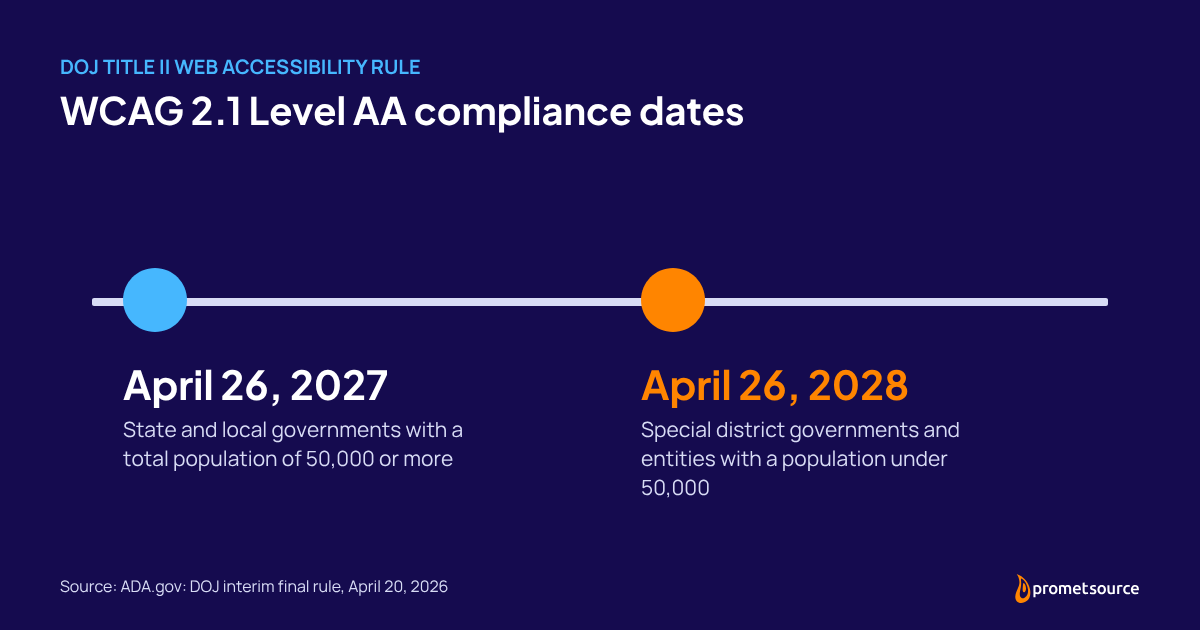
Under the Department of Justice's Title II rule, special district governments and public entities serving fewer than 50,000 people must make their websites and mobile apps conform to WCAG 2.1 Level AA by April 26, 2028, according to ADA.gov. The DOJ extended that date by one year in an interim final rule published April 20, 2026.
The award entries state that the ADEM site was built to WCAG 2.1 AA, with screen reader compatibility and keyboard navigation included from the start, and the homepage links to a Disability Assistance page and a Nondiscrimination Statement. For districts planning a redesign before 2028, the lesson I take from this is to set accessibility requirements while the templates are being designed, then give content editors simple habits that keep new pages conformant, such as accessible PDFs, descriptive link text, and alt text on every image.
How do ADEM's features translate to a district website?
The table below pairs each ADEM feature I reviewed with a district equivalent. Use it as a checklist when reviewing a current site or planning a redesign.
|
ADEM feature |
District website equivalent |
|---|---|
| Navigation by program (Air, Coastal, Waste/Remediation, Water) and by audience | Service sections (water, wastewater, stormwater) plus paths for residents, contractors, and partner agencies |
| What's Happening in Your County? | Service-area pages with advisories, construction schedules, and hearings |
| Public notices, meetings, and hearings by county | Rate hearing, board meeting, and permit notices, posted by location |
| eGov Portal and eFile | Online service requests, connection or permit applications, and document uploads |
| eMaps (GIS portal) | Service-area, outage, and capital project maps |
| Online complaints with a public list of complaints received | Issue reporting with a public log of open reports |
| Email notifications | Alerts by service area and topic |
| WCAG 2.1 AA templates and a Disability Assistance page | Title II conformance by April 26, 2028, with a clear accessibility contact |
Where should a district start?
If I were starting a district website review, I would list the five questions residents and contractors ask most often by phone or email, then check how many clicks it takes to answer each one on the current site. That short exercise shows which pages to reorganize, which notices to post by location, and which forms to move online first.
The three award entries for the ADEM website highlighted the same strengths I found on the live site: clear paths for each type of visitor, local information that is easy to find, and online services in place of paperwork. Districts can apply each of those at their own scale, and the 2028 accessibility deadline gives a practical reason to start planning now.
Planning a district website update before the 2028 deadline?
See how Promet Source builds websites for special districts.

Nerissa "Rissa" Lumontad is Content and Editorial Strategy Lead at Promet Source, with more than 25 years of experience in marketing, communications, and operations. She leads Promet Source's content strategy and editorial standards. Rissa received the 2024 Bronze Golden Bridge Award for Communications Professional of the Year.



Get our newsletter
Get weekly Drupal and AI technology advancement news, pro tips, ideas, insights, and more.