


What our amazing clients have to say
It’s fun to have the capability to be creative without knowing how to code.

What set them apart was tailoring the training to our needs while maintaining consistently high quality.

They were instrumental in helping us to pull our vision together.

We are so pleased with how the website turned out. Thank you to the whole team!

Taking all factors into account, we estimate that the annual cost savings will exceed $100,000.

Your work lays the basis for PSU’s success for the next several years.

We had an RFP. Did not know Promet. Promet did a thorough job answering everything.

Promet Source was able to step right in with the creativity and skill to achieve exactly what was needed.

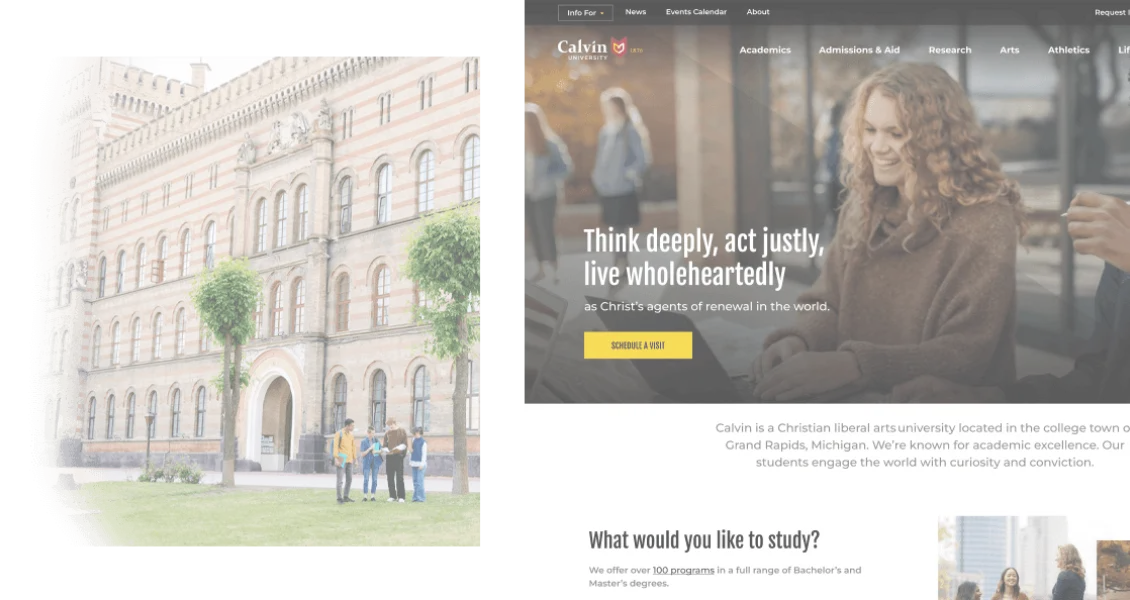
I love the aesthetics of our new website and how user-friendly it is.


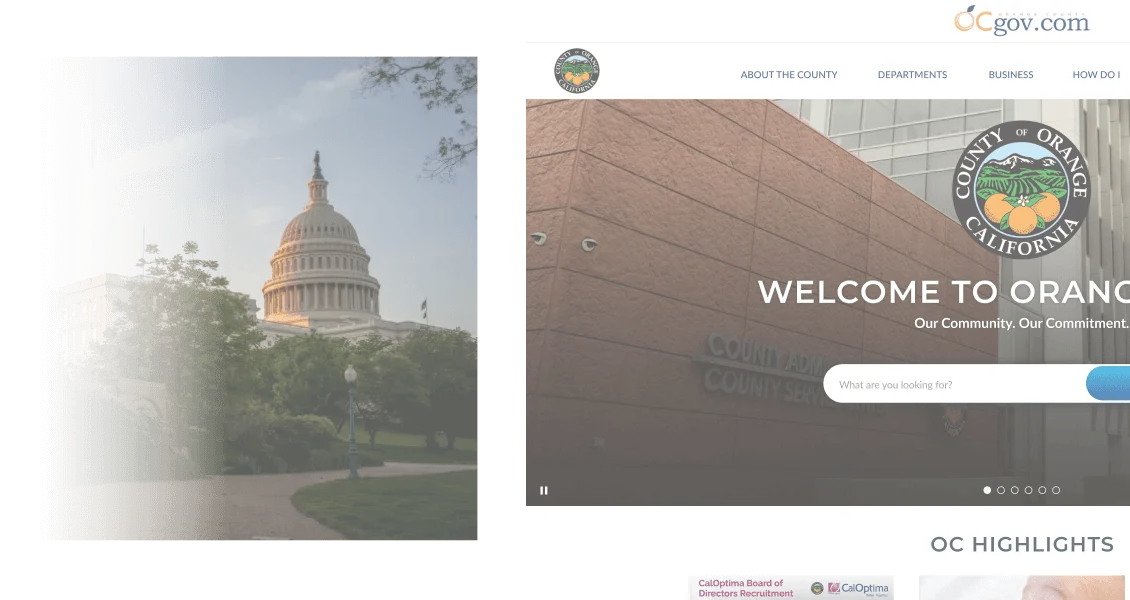
Migrating Orange County to Drupal saved them $100,000 annually.











Our county website showcases our commitment to governmental transparency and adaptation to the ever-changing world of digitalization.
Websites for the organizations that serve the public
Every sector we serve answers to its own requirements: DOJ Title II deadlines for cities and counties, Section 508 for federal agencies, privacy expectations for health systems, and board reporting for special districts. Our teams plan, build, and support each website around those requirements so your staff can publish with confidence.


Development, accessibility, and support
for public sector websites
for public sector websites

Proactive Drupal and WordPress support
Keep your Drupal and WordPress sites patched and monitored on a flat-rate plan, so issues get fixed before residents notice.

DOJ Title II accessibility remediation
Meet DOJ Title II deadlines with manual audits and accessibility fixes made in your site’s code and content.

Drupal development and upgrades
Drupal 10 reaches end of life on December 9, 2026. Plan your Drupal 11 upgrade with a team that builds and supports complex public sector sites.
Frequently asked questions
Promet Source pairs custom Drupal development with proactive support after launch, so the team that builds your website also monitors, patches, and improves it on a predictable flat-rate plan. We have served government and higher education organizations since 2003, our award-winning work includes 2026 WebAwards, and our accessibility specialists fix issues in the source code. Every site we build runs on open-source software, so your organization keeps its code and content and can change vendors whenever it chooses.
Open-source platforms such as Drupal and WordPress carry no license fees, and the organization that owns the website owns its code and content outright. Proprietary platforms charge purchase and recurring licensing fees and keep control of the code with the vendor. Drupal also draws on a global developer community that reviews contributions and releases new modules and security patches on an ongoing basis.
Yes, and its openness is part of the reason. Anyone can audit open-source code for vulnerabilities, and the Drupal Security Team reviews reported issues and publishes advisories and patches for Drupal core and supported modules. Our Drupal support team applies those patches on a set schedule, and site owners can modify the code to meet their own security requirements.
Yes. We work with Drupal and WordPress and recommend the platform that fits each organization's needs. Drupal suits complex government and enterprise sites with many departments and detailed permissions, while WordPress suits smaller sites that need a fast launch and simple editing. For the many sites in between, either Drupal or WordPress can work well, and we help you weigh the tradeoffs.
Drupal is a modular, open-source content management system built for complex sites. Its taxonomy system organizes large volumes of content, its permission levels let each department publish within approved workflows, and its accessibility tools support testing and tracking. Recent releases add low-code tools such as drag-and-drop page building, so content editors can create layouts without a developer.
WordPress is the most widely used content management system, and its low learning curve makes it a good fit for non-technical editors. It offers more than 60,000 plugins and a large library of ready-made themes, which shorten build time for sites with standard requirements and reduce the need for custom development.
Drupal meets the security, scale, and accessibility requirements most government websites carry, without license fees. Nine reasons Drupal is a top pick for government sites covers them in detail, including:
- Integrations with other systems and services carry no added license fees.
- Security is transparent, with public advisories and community-reviewed patches.
- The multisite feature lets agencies launch department or program sites from one shared codebase.
- Drupal runs some of the most highly trafficked government websites in the world and handles sudden traffic surges.
- Agencies choose their own hosting vendor, can switch vendors, or can host the site internally.
- More than 100 languages are supported out of the box, along with translation tools.
- The Drupal project has a long-standing commitment to web accessibility standards.
Public entities serving 50,000 or more people must meet WCAG 2.1 Level AA by April 26, 2027, and smaller entities and special districts by April 26, 2028. Our team audits your website, prioritizes the issues, and remediates them in the source code and content, then trains your editors to keep new content conformant.
Drupal 10 reaches end of life on December 9, 2026, after which it no longer receives community security updates. Moving to Drupal 11 is an upgrade on the same platform, and a fixed-price upgrade gives your team a defined scope and cost before the deadline. Sites still on Drupal 7 need a full migration, which Transporter, our AI migration tool, speeds up by carrying existing content into structured Drupal components.
Yes. Promet Source holds awards on contract vehicles that include the Texas DIR and GSA Multiple Award Schedule, which can shorten procurement for eligible agencies and institutions. See our contract vehicles page for the full list and eligibility.
Use the Submit Your RFP form to send your solicitation documents and deadlines to our proposals team. If your organization is still shaping its requirements, you can also request a conversation with our team before the solicitation is released.

A higher ed digital experience, built for non-technical content editors.

We are Promet Source
At Promet Source, we’re more than just a service provider. We’re a global team of passionate problem-solvers who thrive on using technology to deliver exceptional results. Our mission? To continually ask, "How can we make this even better for our clients?" and work tirelessly to exceed their expectations.
certifications held by developers, analysts, and specialists
Buy through contracts your procurement team already uses
A website project can wait months for a solicitation to clear. Promet Source holds awards on cooperative and federal contracts that government agencies, higher education institutions, and special districts can use to purchase our services through a process their procurement office already recognizes. Review each vehicle to see which ones your organization can use.